US Strikes Iran: Oil Surges, Markets Brace for Fallout

With US strikes hitting Tehran and threats swirling around the Strait of Hormuz, investors are weighing geopolitics against portfolio stability and the potential for soaring oil prices.
Strike One: Oil Spikes and Stocks Sputter
The US launched precision strikes on three Iranian nuclear facilities late June 21, prompting a knee‑jerk lift in oil. Brent jumped more than 2% to around $78.50/barrel, with WTI close behind at ~$75.30. Energy markets reacted swiftly, but equities took a cautious hit—S&P, Dow, and Nasdaq futures dipped between 0.3–0.4%.
Asia wasn’t immune. Markets from Tokyo to Sydney shed modest gains as the risk premium climbed. Japan even saw its defense sector rallying amid renewed geopolitical concern.
The Hormuz Card: Oil Drama or Serious Threat?
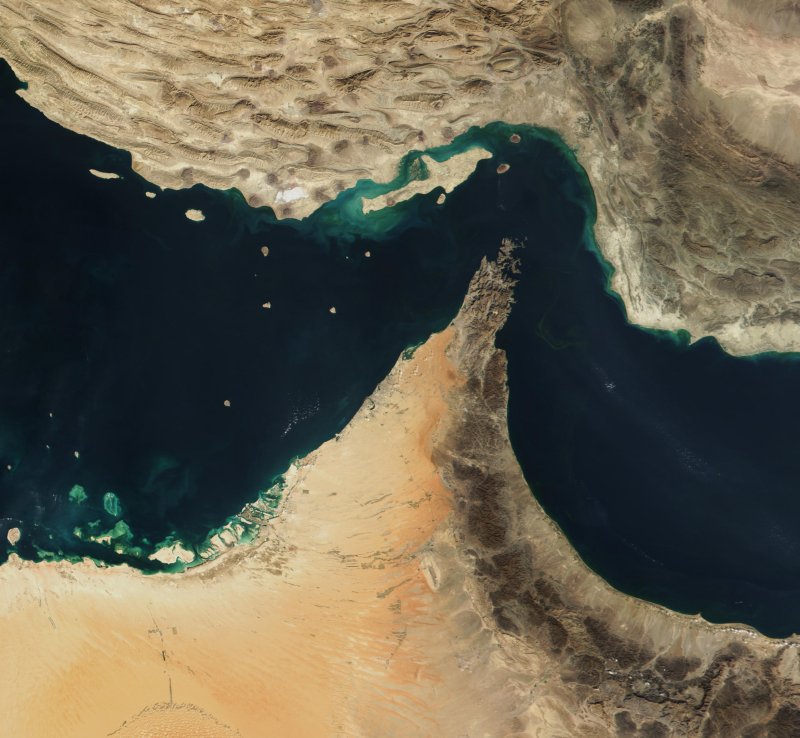
Here’s where things get spicy: Iran’s parliament backed a plan to close the Strait of Hormuz—a chokepoint for ~20% of the world’s daily oil movements. But approvals still require the green light from the Supreme National Security Council. If executed, the impact would be seismic: oil would soar, and where it ended up would be anyone’s guess. That spike would cascade through refinery costs, insurance premiums, and consumer prices.
BREAKING: Iranian parliament has just voted to close the Strait of Hormuz.
— Brian Krassenstein (@krassenstein) June 22, 2025
- 20% of global oil passes through the Strait
HERE’s what to expect if successful:
- Oil Prices could spike by 30–50%+ almost immediately
- Global Inflation likely Rises
- U.S. Gas Prices likely… pic.twitter.com/WC4dmeagRE
Yet, analysts are skeptical about whether Tehran would actually shut the passage. This naval route is vital for Iran’s own oil exports, especially to China—a move to close it would be economic self‑sabotage. The US and allies have naval forces deployed nearby, and Iran lacks legal cover to block the strait outright.
Market Outlook: Fear vs. Fundamentals
Most analysts expect this to be a short‑lived flare‑up rather than a protracted war. “Not crazy” oil forecasts from veteran strategists suggest prices will retreat once the initial panic fades. Defense stocks have popped, but broader markets are trading with guarded optimism.
Brent Oil Price: pic.twitter.com/VPB3Im5jaG
— Michael McDonough (@M_McDonough) June 22, 2025
Still, market sentiment carries a caution flag. Goldman warns current oil prices include a hefty $12/barrel geopolitical risk premium, with the potential to hit $90 even if the strait remains open. Oxford Economics points out that a serious blockade could shave 0.8 percentage points off global GDP.
Tech, Trade & Trendspotting
In tech-heavy sectors, firms tied to oil logistics, shipping insurance, and semiconductor supply chains could feel ripple effects. Elevated crude prices mean higher transportation costs—possibly pressuring margins in e‑commerce and manufacturing sectors. Similarly, alternative energy firms or pipelines bypassing Hormuz might draw investor attention as geopolitical insurance plays take hold.
That was quick:
— The Kobeissi Letter (@KobeissiLetter) June 22, 2025
Within 1 hour of oil markets opening, the surge in prices has been almost completely erased.
That's right, oil prices are now up just +0.5% after the US bombed Iran.
To all the people calling for World War 3:
The market respectfully disagrees. pic.twitter.com/hiUkUzD7bT
What Traders Should Watch
- Iran’s next move: Will Tehran escalate or hold? A missile or cyber strike could reignite volatility.
- Hormuz traffic: So far, commercial shipping keeps flowing—watch satellite data and tanker insurance premiums.
- U.S. response: Additional military deployments or sanctions could tone it down, or pour gas on the fire.
- Seasonal demand: Summer fuel consumption in the northern hemisphere could exacerbate price swings.
Brace, Don’t Panic?
Oil is in a volatility tailspin—but not a free-fall. High prices suit defense suppliers and energy traders buying coverage. But equities, especially in tech and manufacturing, are treading water amid uncertainty. The smart play for now? Don’t bet the ranch—banks and big-spenders will watch Tehran more than Trump.
For more trending news, visit our dedicated pages.

 Copy Link
 Share on Facebook
 Share on X
 Share by Email